






Where the River Sets the Pace
A journey to Estancia Ranquilco with Joseph Haberle.

Northern Patagonia doesn’t care much about schedules. The horses don’t either.
Set along the Trocomán River near the Chile-Argentina border, Estancia Ranquilco moves to a rhythm shaped more by terrain, livestock, and weather than by the clock. Horses are saddled before daylight. Cattle move when the river allows it. Camp is built and broken with the same quiet efficiency that’s been practiced here for generations. Photographer Joseph Haberle took us there.
What stood out most wasn’t spectacle. It was continuity.
The land sets the terms, and the work follows.


By the end of the day, the horses are turned into the pasture below headquarters, a ritual so routine it almost disappears into the landscape. Tack comes off slowly. Dust settles. The noise fades with the light. Tomorrow starts early, and everyone knows it.
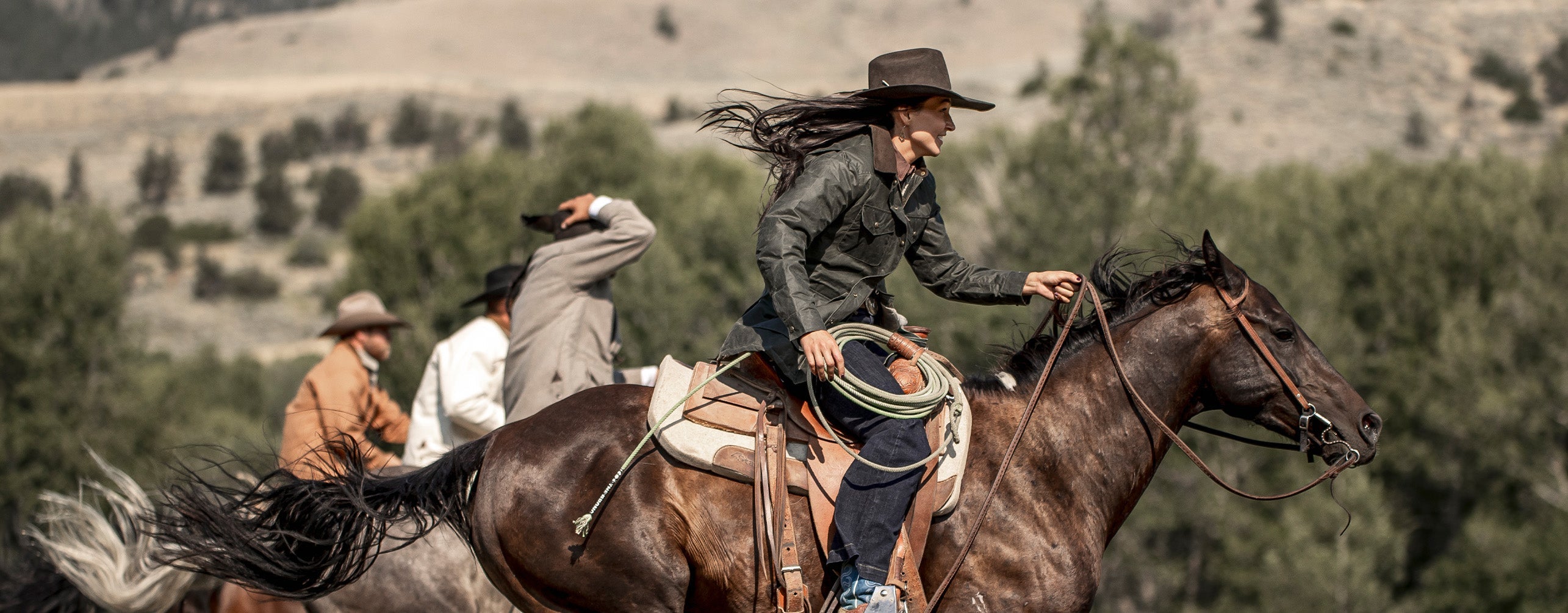
At first light, riders ease the herd across the Trocomán River. The crossing dictates the pace. Horses pick their footing carefully against the current while cattle follow the line almost instinctively. Nobody rushes the river. The terrain decides how fast the morning moves.


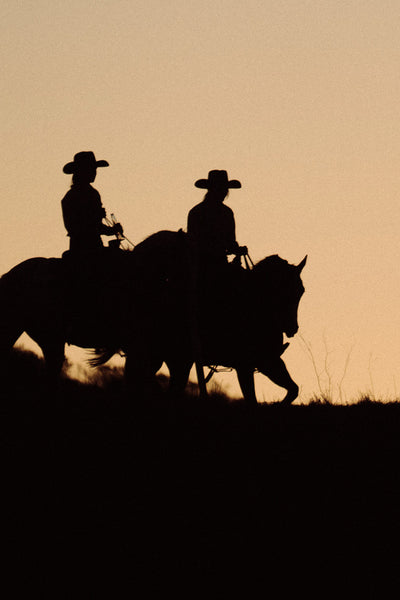
Further into the backcountry, distances stretch and the Andes begin to dominate the horizon. Pack strings wind through volcanic valleys and narrow trails as evening dust settles around camp on the first night of a week spent deeper in the mountains. Itinerary matters less than weather, horses, and daylight.
Small adjustments carry weight in country like this. A saddle tightened before a descent. A load shifted on a pack horse. A pause above the river before committing to the trail below. Accumulated discipline that keeps both horses and riders moving safely through hard terrain.
Even the landscape feels oversized.
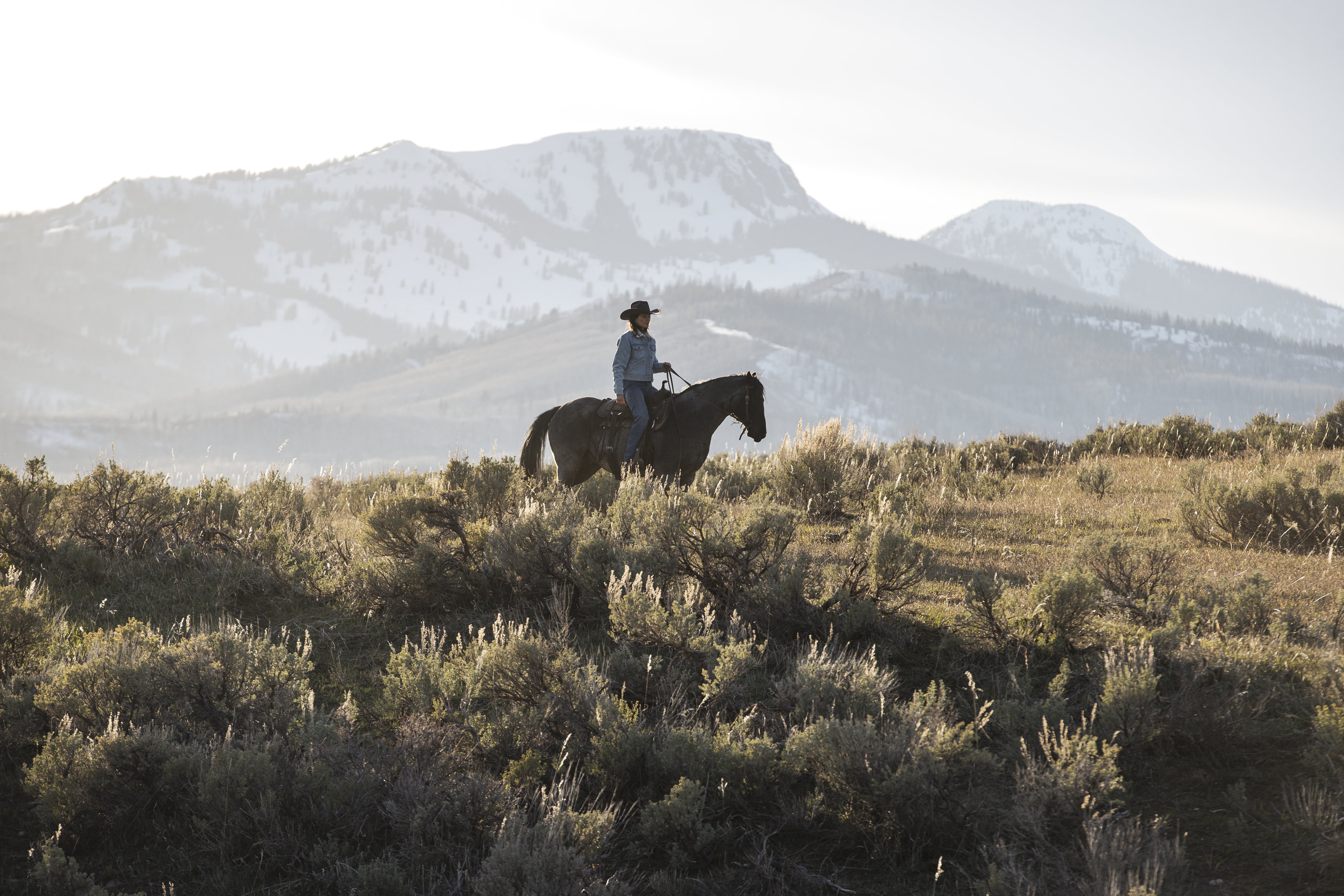
Antuco rises in the distance near the borderlands of Chile and Argentina, standing high above the valleys below like it has long before fences, roads, or borders mattered much. The scale of it recalibrates your sense of time a little.
And eventually, the work gives way to evening.

After a goat asado at a nearby puesto, conversation settles around the fire while the mountains disappear into darkness. Stories replace instructions. Horses stand tied in the cold air nearby. The pace slows, but only briefly. Morning will arrive the same way it always does.
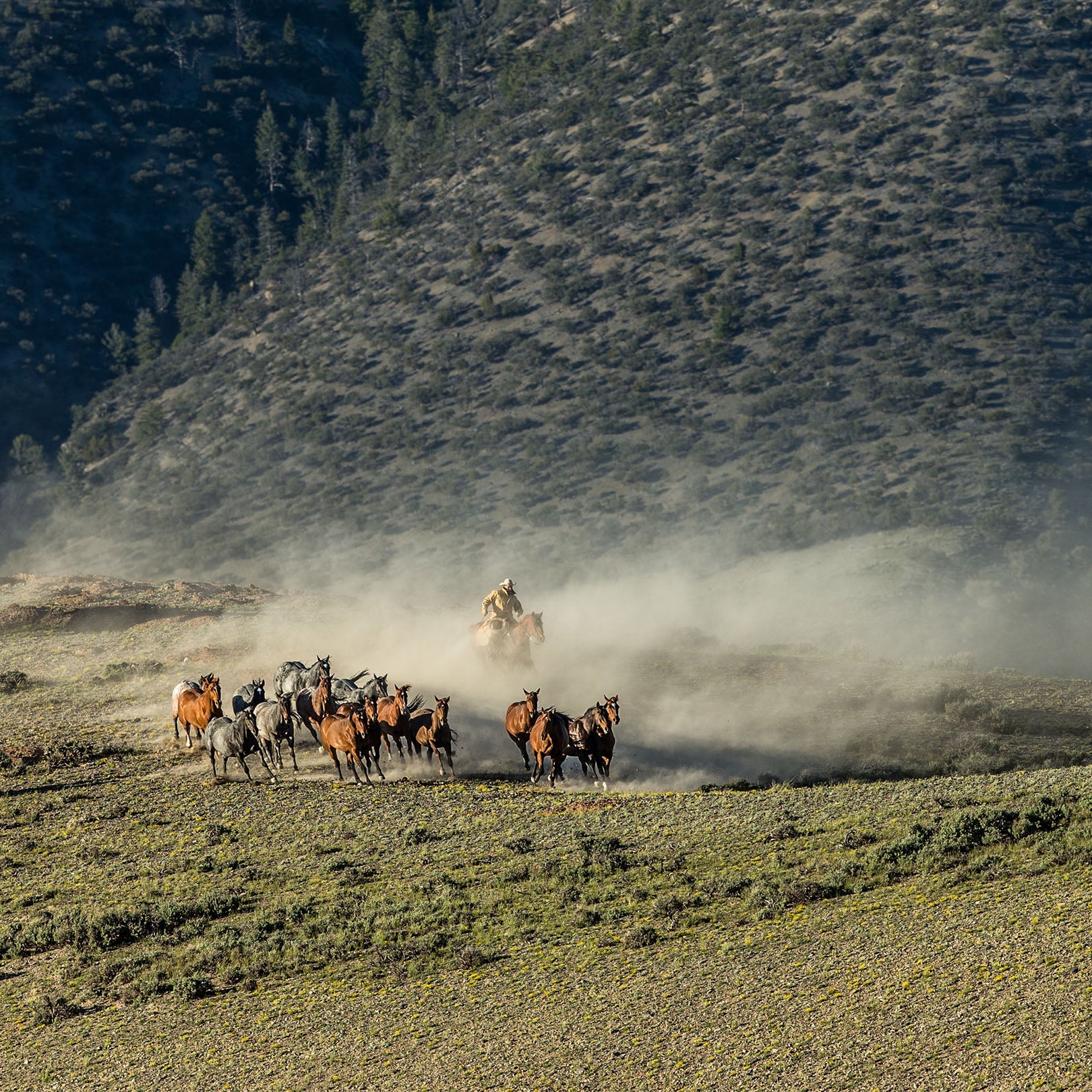
The work and landscape speak for themselves. Long rides. River crossings. Dust hanging in low evening light. Quiet routines repeated often enough to become instinct.
A life shaped by horses, terrain, and the simple reality that some places still operate on their own terms.

